

Flex Fencing vs. Post-and-Panel on Sloped Sites
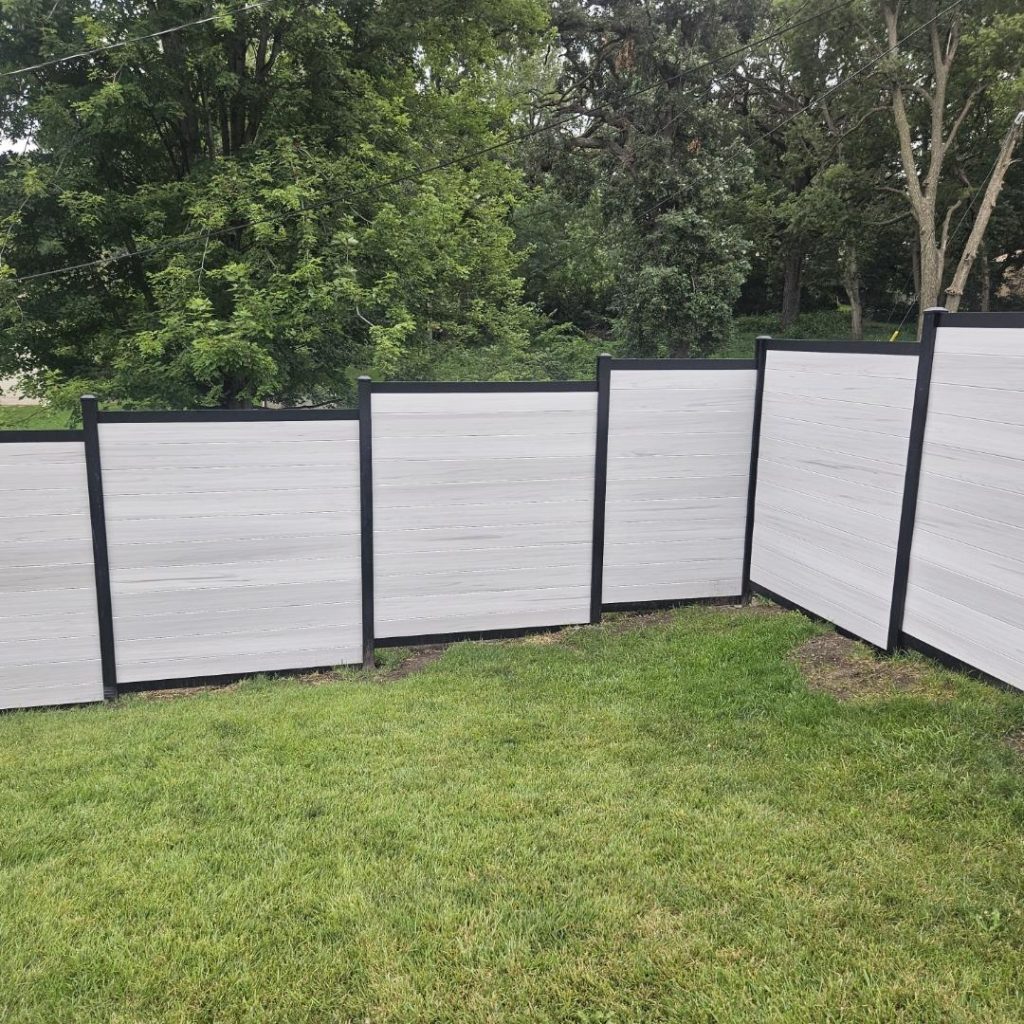
On grade change, rock, and irregular runs, a metal-frame flex system follows the ground where a rigid post-and-panel system has to be stepped, cut, or fought. If your crew is spending the afternoon making a straight product fit a crooked site, that is the job flex fencing was built for. Why do rigid fence panels […]
Commercial-Grade vs. Residential-Grade Vinyl
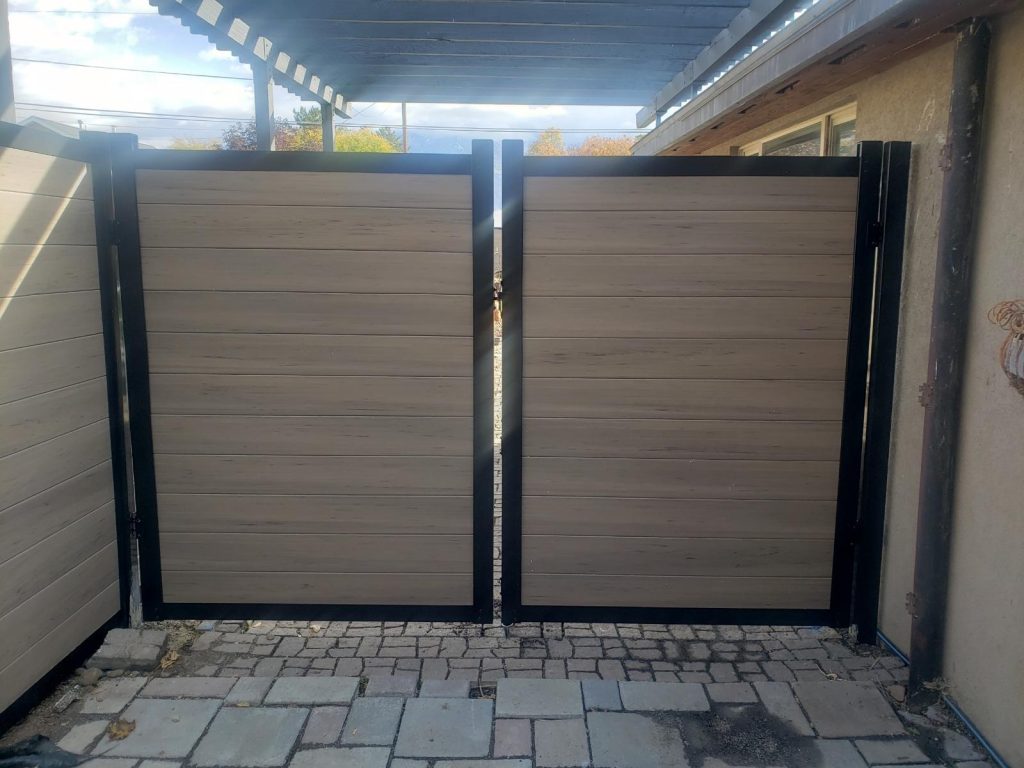
The difference is wall thickness, and it’s the difference between a fence that stands for twenty years and a fence you go back to fix. Residential-grade vinyl is built to a retail price point. Commercial-grade vinyl is built to a load. When a contractor’s name is on the warranty, the thicker profile is the cheaper […]
Ornamental Steel vs. Aluminum Fence Systems
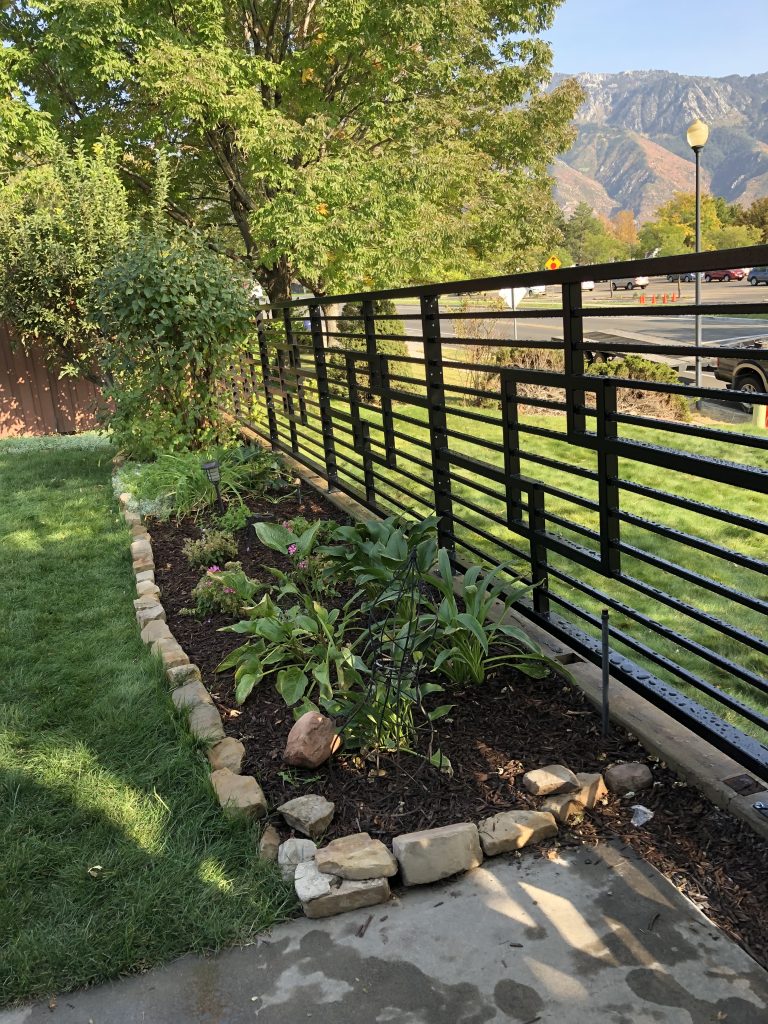
Steel gives you strength and impact resistance. Aluminum gives you corrosion immunity and lighter panels that go up faster. For Utah commercial sites, steel belongs where the fence has to stop something, and aluminum belongs where the fence has to last without maintenance. Is ornamental steel or aluminum stronger? Ornamental steel has higher tensile strength, […]
Wholesale Distributor vs. Big-Box: Cost Per Foot
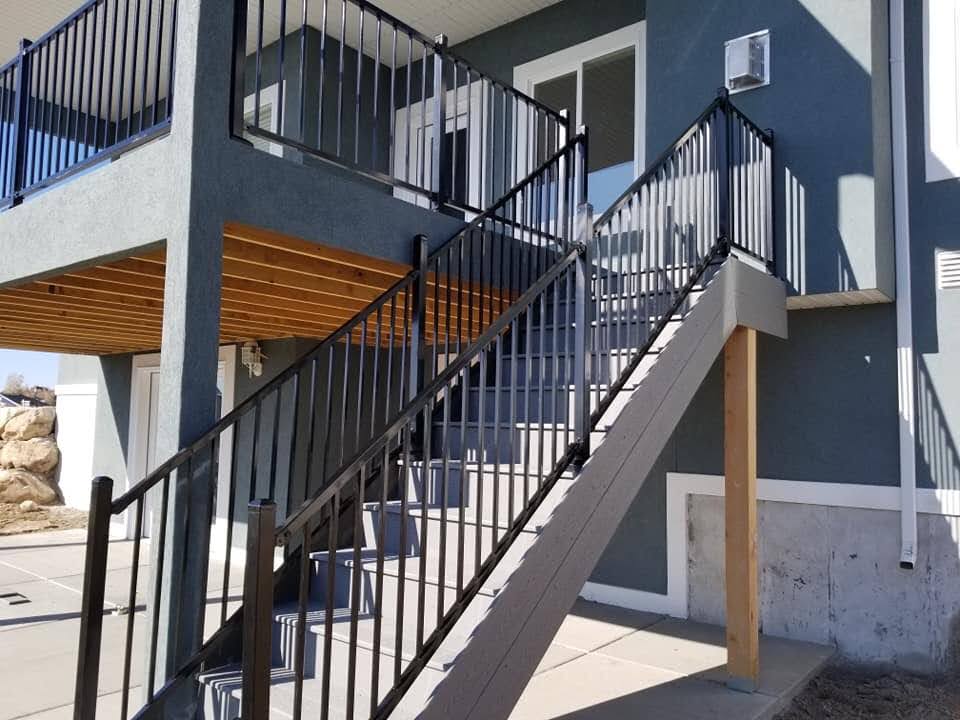
A big-box price tag looks competitive until you add the runs, the returns, the substitutions, and the day your crew stands around waiting on stock. Wholesale distribution wins on the numbers that actually hit a contractor’s job cost, not the number printed on the shelf tag. What does big-box fence material really cost a contractor? […]
Composite vs. Cedar Privacy Fence for Developers
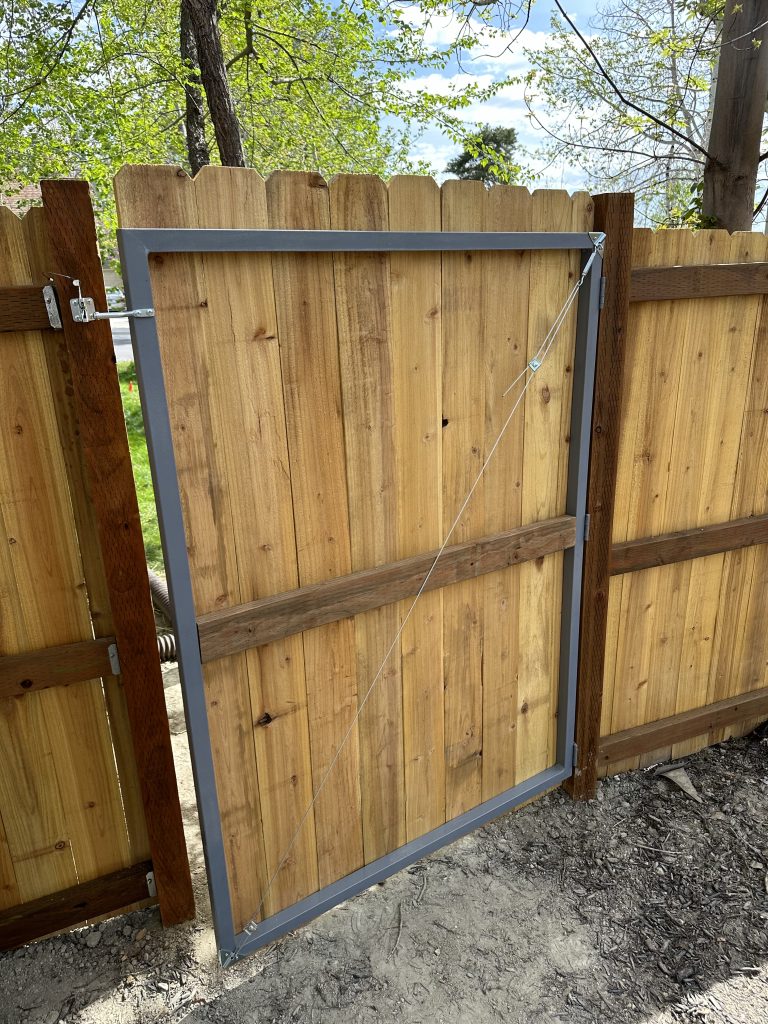
For a multi-lot development, cedar costs less up front and composite costs less over the life of the community. If the builder is handing fences to an HOA that will fund replacement, cedar pencils. If the builder is carrying warranty exposure or selling a maintenance-free community, composite pencils. Which costs less on a 60-lot development, […]
Vinyl vs. Aluminum Fence for Commercial Perimeters
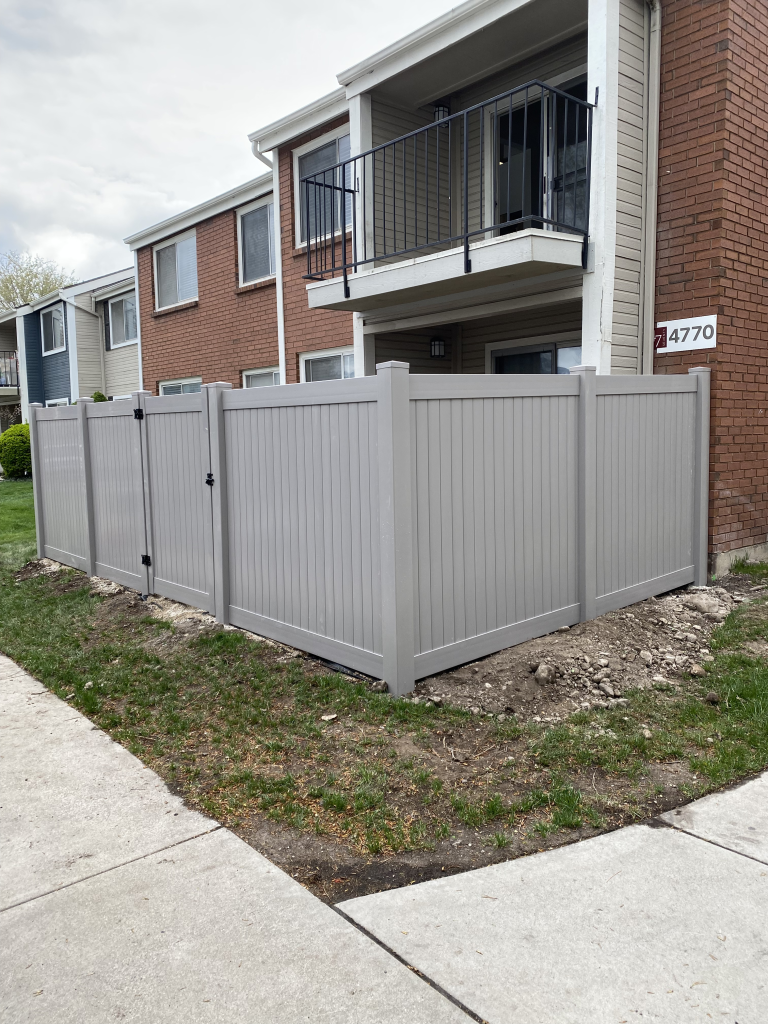
Aluminum wins on sightlines, security, and slope. Vinyl wins on privacy, install speed, and cost. For most Salt Lake Valley commercial perimeters, the deciding factor is not material quality, it’s whether the client needs to see through the fence or hide what is behind it. When should you spec aluminum instead of vinyl? Ornamental aluminum […]
How Deep Do Fence Posts Need to Go in Utah? Frost, Wind, and Soil
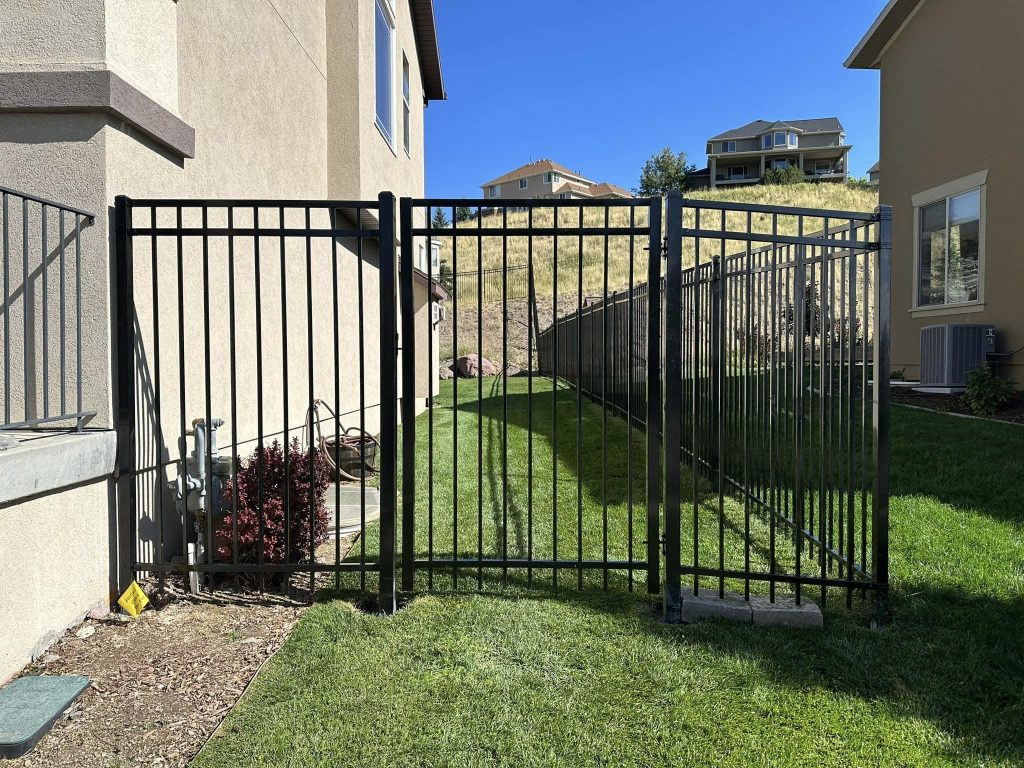
Fence post depth in Utah is driven by frost line, wind exposure, and soil type. Posts should extend below the local frost line, which varies across the state, with footing diameter and depth increased for tall privacy panels and exposed runs that carry significant wind load. There is no single number that applies statewide. Confirm […]
When Should You Order Fence Materials for Utah’s Build Season?

Order high-volume fence material for Utah’s peak season by early spring. Demand compresses between May and August, and contractors who commit orders before the season opens hold their stock position. Locally warehoused inventory shortens that window, but planning ahead still protects your schedule. The contractors who never seem to run short are not lucky. They […]
Vinyl, Aluminum, or Composite? How to Spec the Right Fence System
Spec vinyl for high-volume privacy runs where budget and maintenance drive the decision, aluminum or ornamental steel where security and code compliance lead, and composite where engineered durability and sound dampening justify the cost. The application rather than the price should drive the spec. Most material disputes on a bid come from comparing on cost […]
What Vinyl Wall Thickness Do You Actually Need for Commercial Work?
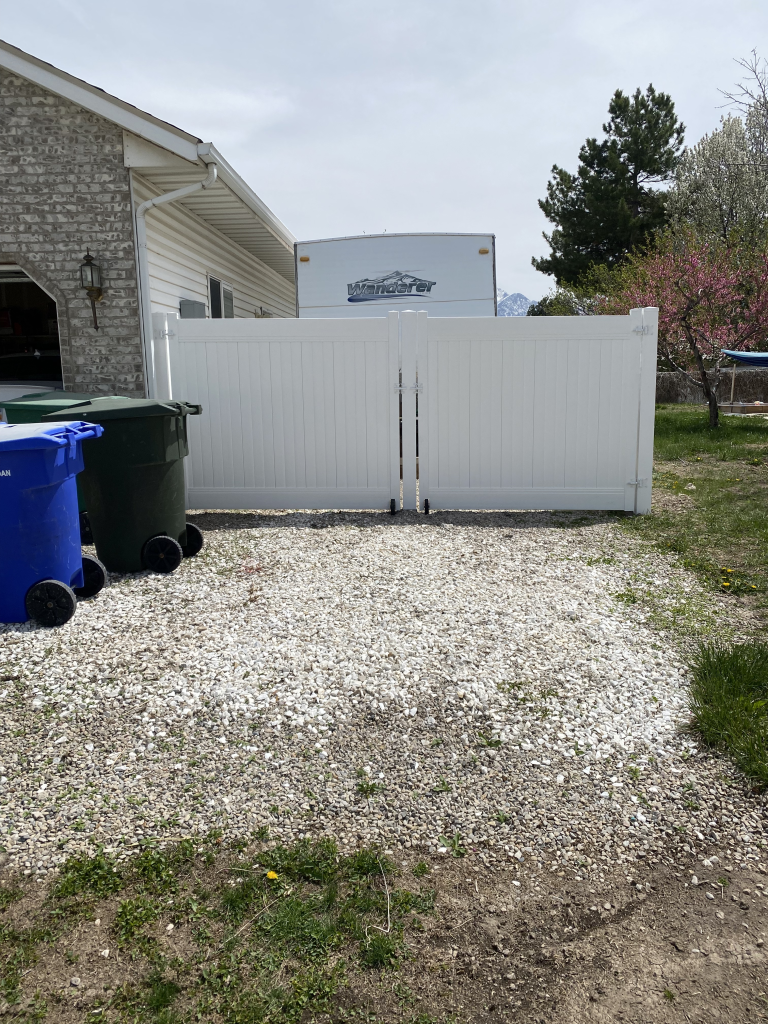
Commercial vinyl fencing uses thicker wall extrusions than retail-grade panels, which is what prevents bowing, flexing, and impact damage across long runs. For commercial perimeters, HOA common areas, and high-wind exposures, the heavier wall profile is the spec that prevents warranty callbacks. The upcharge is real, and so is the question of when it is […]