

To fabricate a custom gate, a shop needs four things: exact opening dimensions, the infill material and style, the hardware and swing direction, and any code or access-control requirements. Supply those up front and a gate can be quoted and built without a second round of questions.
Most fabrication delays are information delays. Here is exactly what to send and how to capture it correctly.
The Four Specs a Fabricator Needs
Opening dimensions. The clear opening width between posts and the finished height, measured on site rather than taken from the plan. Note whether posts are already set.
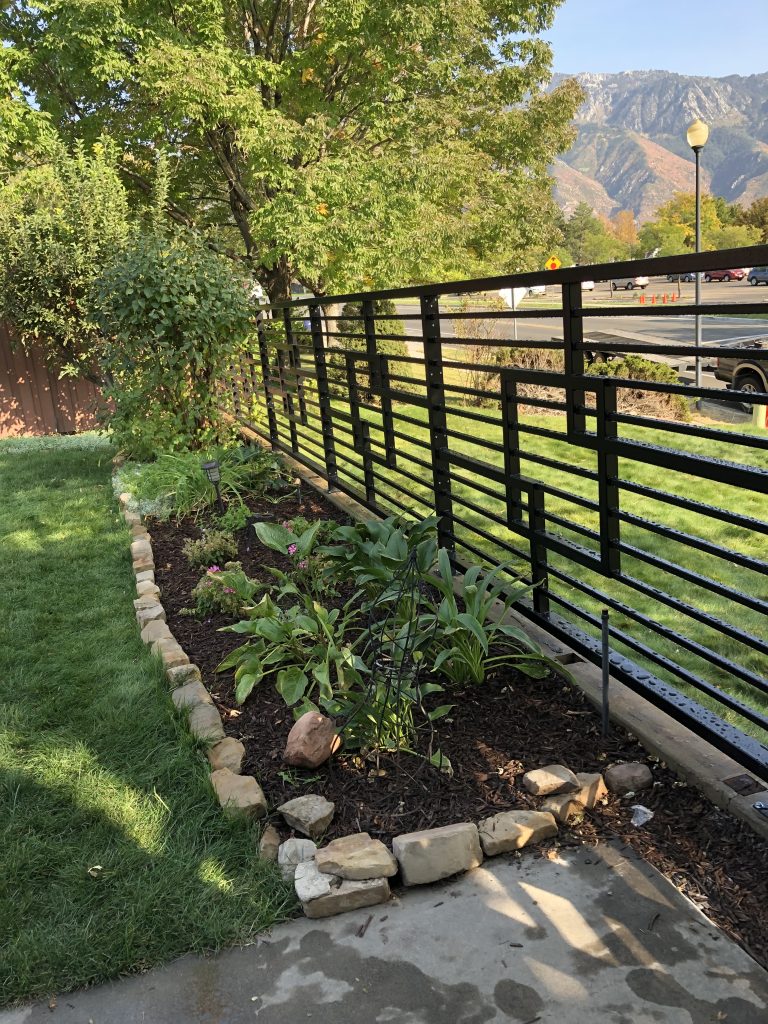
Infill material and style. Ornamental steel, aluminum, vinyl, or composite, with the picket spacing, rail configuration, and top detail. If the gate must match an existing fence line, identify that system by name.
Hardware and swing direction. Hinge type, latch type, swing direction, and whether the opening is single or double. Include expected traffic volume so hinges can be rated to the cycle count.
Code and access requirements. Pool enclosure requirements, ADA clearances, panic hardware, or integration with an access control system all change the frame before it is built rather than after.
Submitting all four with a custom gate design request generally moves a project straight to quote.
How to Measure an Opening Correctly
Measurement errors are the most common cause of a gate that does not fit, and three habits prevent nearly all of them.
Measure the clear opening rather than the post centers. The fabricator needs the actual gap the gate must fill, so specify which measurement you are providing and remove any ambiguity.
Measure at multiple heights. Posts are rarely perfectly plumb, so take the width at the top, middle, and bottom of the opening, then report the narrowest.
Note the grade. If the ground slopes across the opening, the gate’s bottom clearance changes through its swing. Report the grade difference from one post to the other so the shop can set clearance correctly.
Single Versus Double Gates and Drop-Rod Requirements
Once an opening exceeds a practical single-leaf width, a double gate becomes the better engineering choice. Long single leaves put substantial leverage on the hinge post and are the most common source of sag.
Double gates require additional specification. The inactive leaf needs a drop rod or cane bolt to carry its own load and hold position, and both leaves need hardware rated independently. If vehicles pass through the opening, note that as well, because it affects clearance and the reinforcement the frame needs.
Match the frame to commercial hardware at the time of order so the hinge duty rating and the frame reinforcement are designed together.
What to Send for a Blueprint-Driven Job
Commercial and developer projects usually come with drawings. When they do, send:
- The relevant plan and elevation sheets showing the gate location
- The project fence specification so the gate matches the perimeter system
- Finish requirements, including color and coating
- Quantity and phasing, if multiple gates ship across a schedule
- Site-verified dimensions, because drawings and field conditions frequently diverge
Blueprint-driven wholesale gate fabrication works best when field-verified numbers accompany the drawings. The drawing establishes intent, while the field measurement establishes fit.
Have an opening that needs a custom gate? Send us your specs and we will quote the fabrication.
Call (801) 566-4266 or send us a message.
Frequently Asked Questions
What information do I need to get a custom gate quoted?
Clear opening dimensions, infill material and style, hardware and swing direction, and any code or access-control requirements.
Should I measure post centers or the clear opening?
Provide the clear opening between posts, measured at several heights, and state which measurement you are giving.
When should I use a double gate instead of a single?
Once an opening is wide enough that a single leaf would put excessive leverage on the hinge post. Double leaves reduce sag risk and improve long-term performance.
Can you fabricate to a commercial blueprint?
Yes. We build gate frames in house to exact commercial and developer specifications, including reinforced hardware points and finish requirements.