

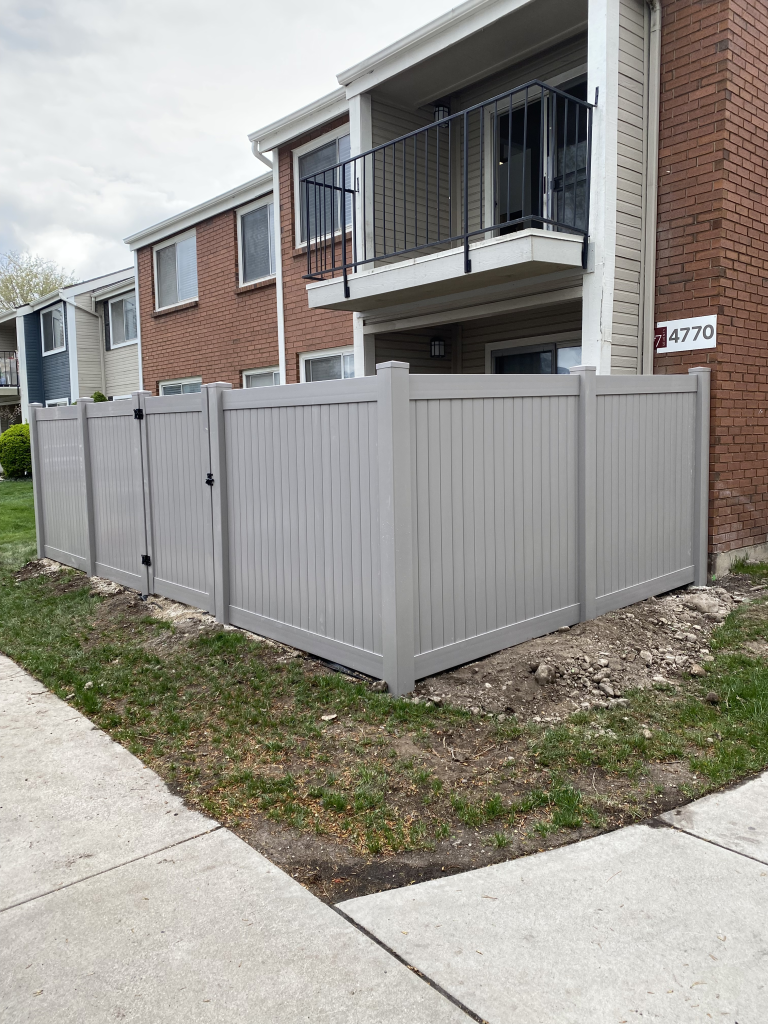
To calculate a fence material takeoff, divide total linear footage by panel width to get panel count, add one post per panel plus one per corner, end, and gate opening, then add caps, concrete, and hardware. Gates and terrain changes are where most takeoffs go wrong.
That formula covers a clean, flat, straight run. Real jobsites are rarely any of those things. Below is how experienced crews adjust the count so the material on the truck matches the material the job consumes.
How to Calculate Panels, Posts, and Caps
Start with an accurate linear footage measurement of the fence line, minus gate openings. Divide that figure by your panel width to get the panel count, rounding up.
Post count is where estimators most often come up short. The reliable method is one post per panel, plus one additional post at every terminal condition:
- One end post at each termination
- One corner post at every direction change
- Two posts per gate opening, sized to carry the gate weight
- One line post wherever a run is interrupted
Caps match your post count exactly. Concrete volume follows your footing diameter and depth, which varies with post type and panel height.
What Most Takeoffs Miss
The base formula is straightforward. The overages come from conditions that do not show up on a flat site plan.
Grade changes. Sloped runs require either racked panels or stepped installation. Stepping consumes additional post height and can add panels across the same linear distance.
Gate hardware. Hinges, latches, drop rods, and gate stops are small line items that stall a finished job when they are missing. Count them per opening, not per project.
Corner and terminal hardware. Bracket and fastener counts scale with the number of terminations, not with linear footage.
Custom gate openings. Any opening that is not a standard width needs a fabricated frame, which carries its own lead time. Identify these during takeoff rather than during install.
How to Build In a Waste Factor Without Overbuying
A waste factor protects the schedule, but an inflated one eats the margin. Most crews land between three and five percent on straightforward runs, and higher on sites with heavy grade change, irregular property lines, or numerous corners.
The variable that matters more than the percentage is dye lot. If you under-order on a visible run and reorder from a different production batch, the color difference can force a full-section replacement. Ordering the full run at once from a single high-volume vinyl fence supply source eliminates that risk entirely.
Why Ordering From One Supplier Protects Your Count
Splitting an order across suppliers introduces mismatched profiles, inconsistent tolerances, and separate delivery schedules. Crews end up field-fitting components that were never designed to assemble together.
A single-source order from a full-line distributor keeps the system consistent from post to cap. It also means one delivery to the jobsite instead of multiple supply runs, and one team to call when a count needs adjusting mid-project.
Contractors buying at volume through contractor pricing on fence materials also get a second set of eyes on the takeoff. Reviewing a count against warehouse stock before the order ships catches the gate hardware and terminal post gaps that spreadsheets miss.
Working up a takeoff on your next bid? We will review your count and quote wholesale fence materials at contractor pricing.
Call (801) 566-4266 or send us a message.
Frequently Asked Questions
How do I calculate post count for a fence?
One post per panel, plus one additional post at every end, corner, and direction change, plus two posts per gate opening.
What waste factor should I use on a fence takeoff?
Three to five percent on straightforward runs, with more on sites that have significant grade change, irregular lines, or many corners.
Should I order extra panels to cover mistakes?
Order the full run in one order rather than reordering later. Reorders can arrive from a different dye lot and create visible color mismatches on finished runs.
Can you review my takeoff before I order?
Yes. Our team reviews contractor takeoffs against current warehouse stock before orders ship.